Where our work begins
Our work begins with a simple observation: millions of people live with stiffness, tension, pain, and physical limitations without fully understanding what’s happening in their bodies.
What we believe
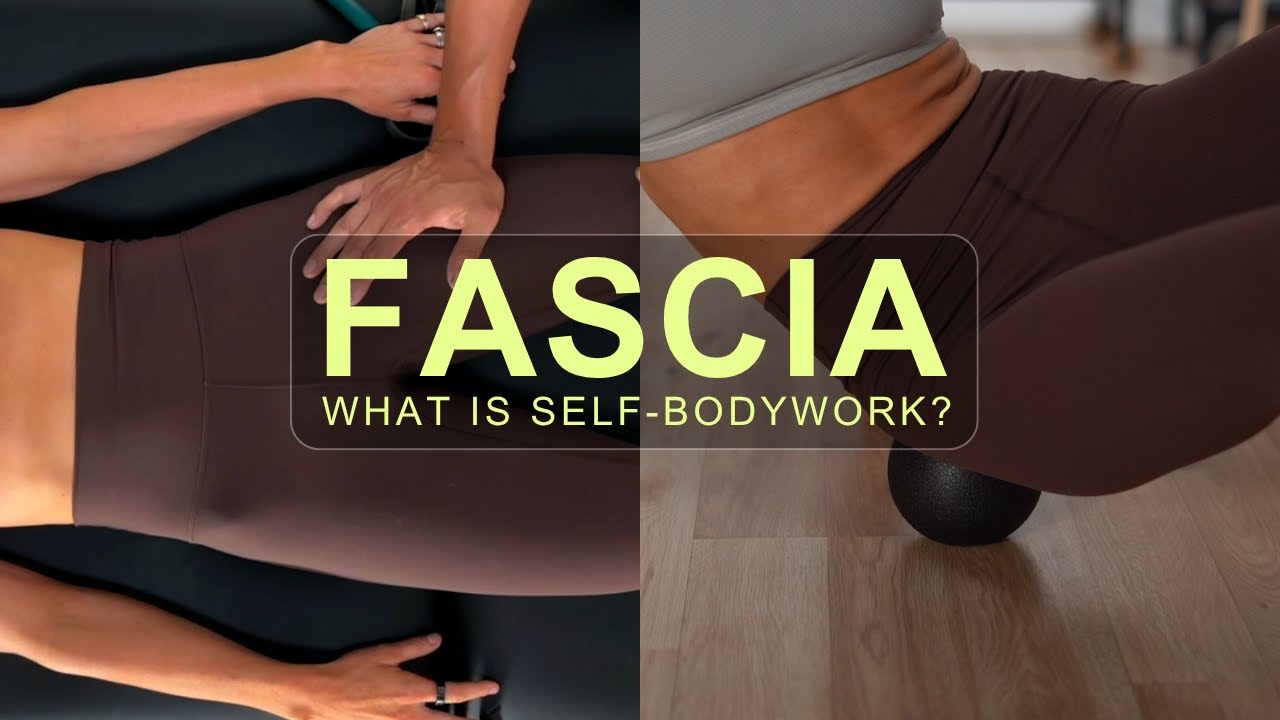
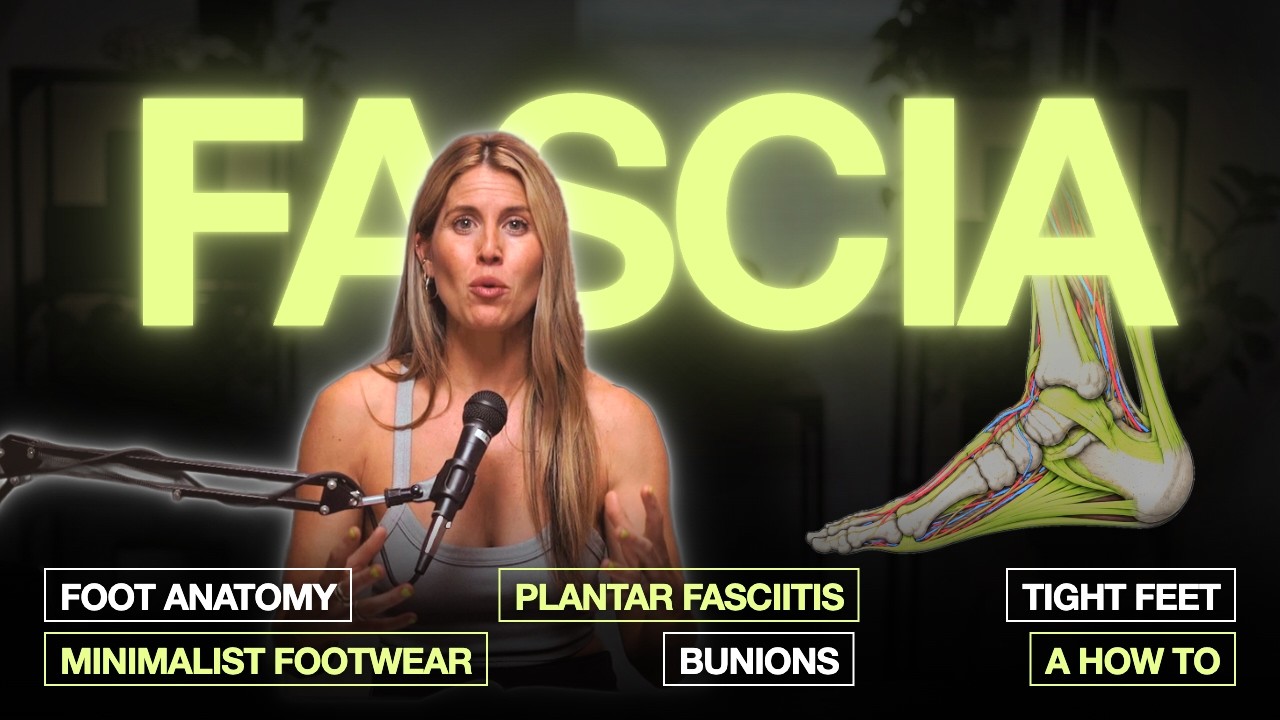
We believe fascia is essential to understanding the relationship between , , , and human health.
Anatomical
health.
noun · /an·uh·tom·i·kul helth/
The ongoing capacity of your body’s physical structure to support movement, carry load, adapt to everyday demands, and function with comfort and freedom.
01The problem
1.71billion
people live with musculoskeletal conditions, a leading cause of disability worldwide. Yet most of us are never taught how our anatomy works. We meet it only after something hurts.
Source: World Health Organization02Where it shows up
Your body
tells a story.
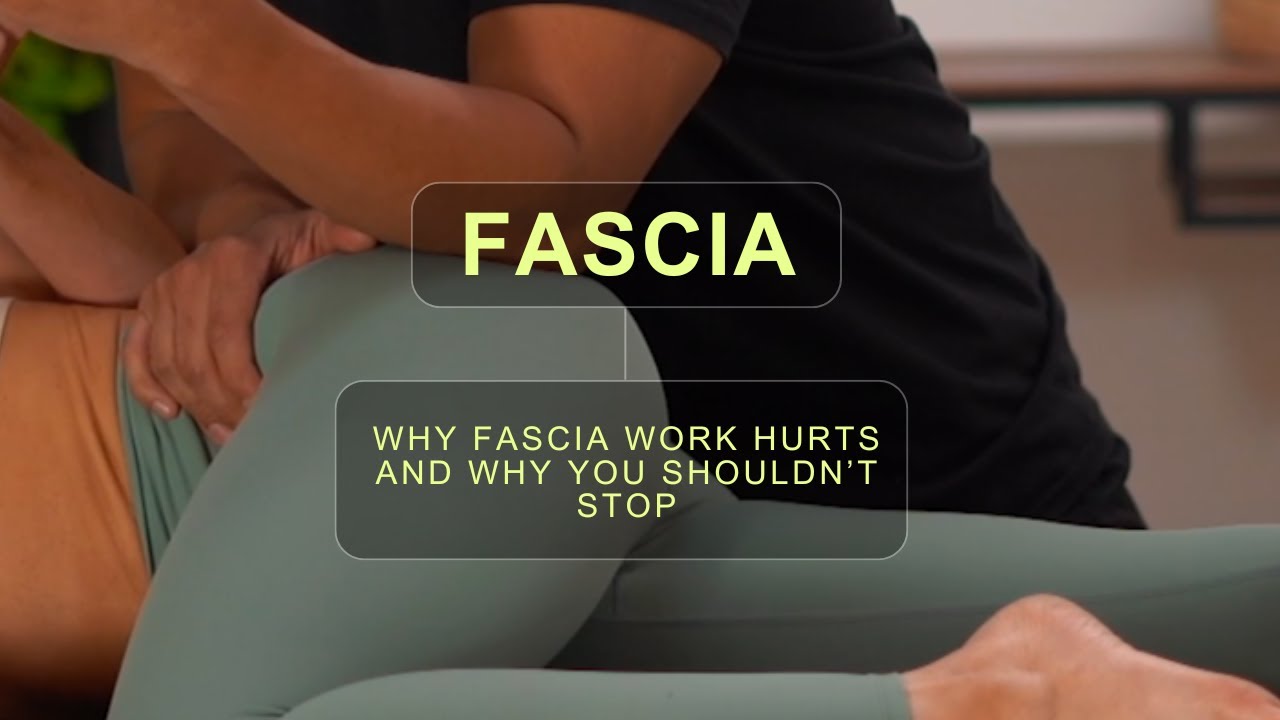
It starts with fascia, the tissue that connects it all. Understanding these connections can change how people relate to their bodies and take part in their own health.
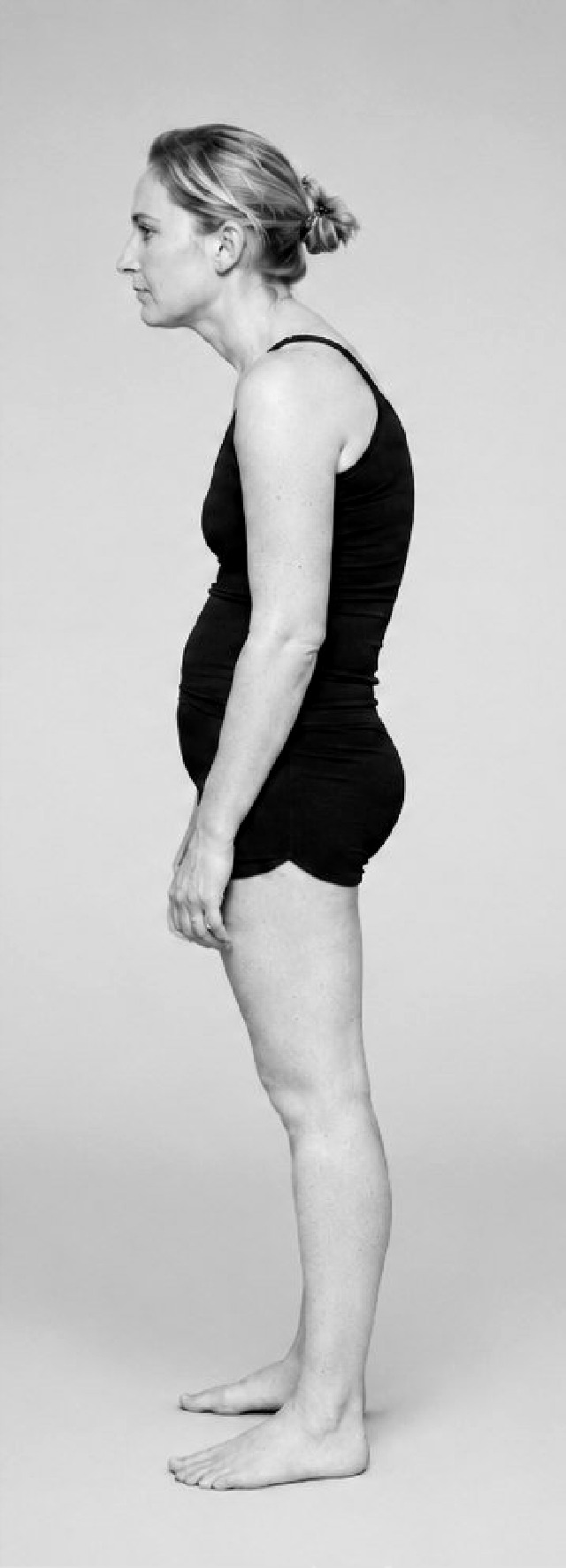
trapezius
girdle
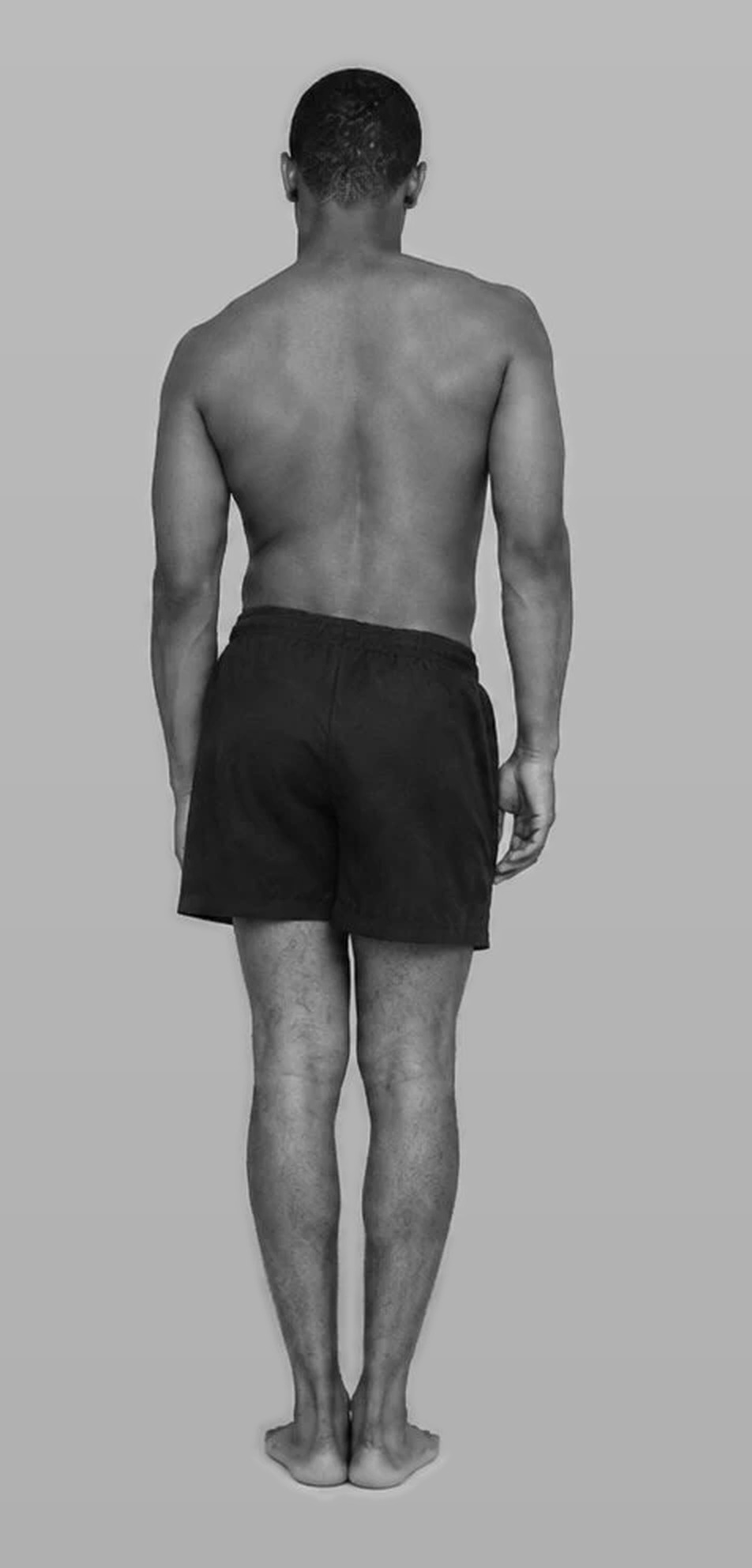
blade
fascia
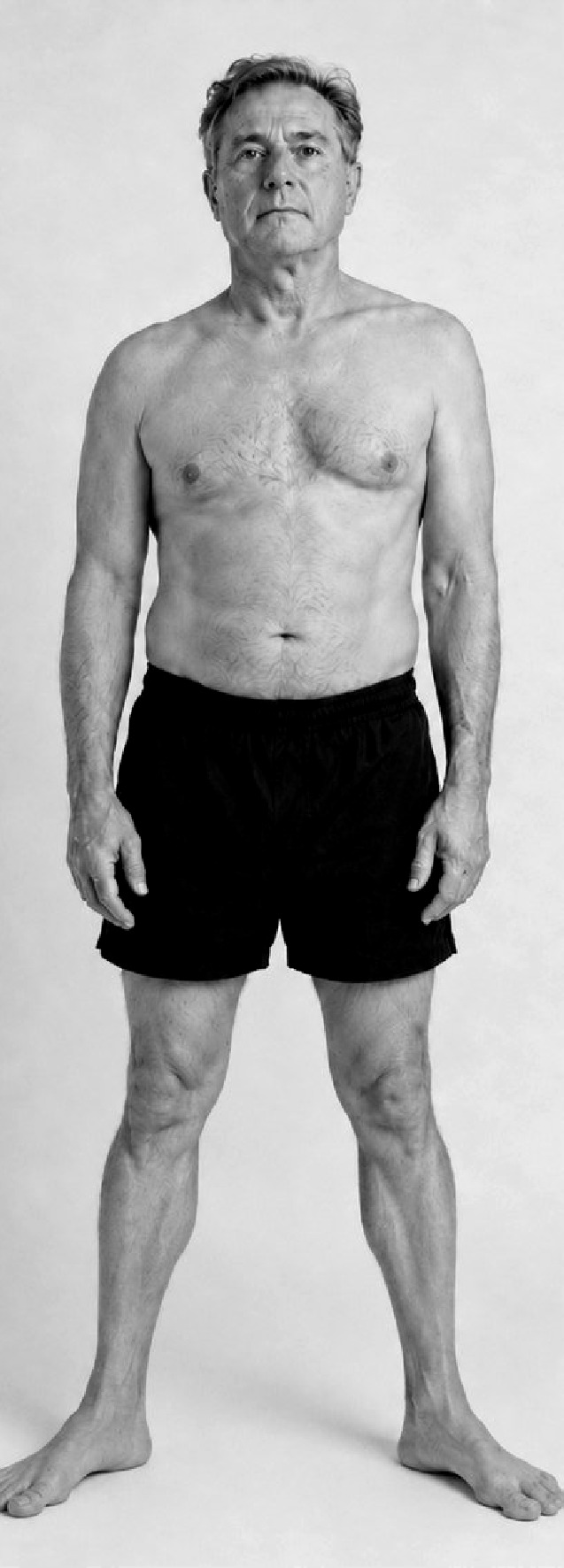
fascia
Fitness measures what the body can do. Anatomical health looks at how it functions.
We’re not building another fitness company. We’re building the category of anatomical health.
Where Fascia comes from


Different people, different lives.And we kept hearing the same thing
How it works
From “Something hurts” to “Dang, I feel good.”
-
01 · Foggy
From“Something hurts.”
Tell us what you feelIn your own words. A stiff neck, a sore lower back, a hip that won’t settle.
-
02 · Clearer
To“I know where to start.”
Understand what’s going onAsk FASCIA explains how fascia may relate to what you feel, and where to look next.
-
03 · Clear
To…“Dang, I feel good.”
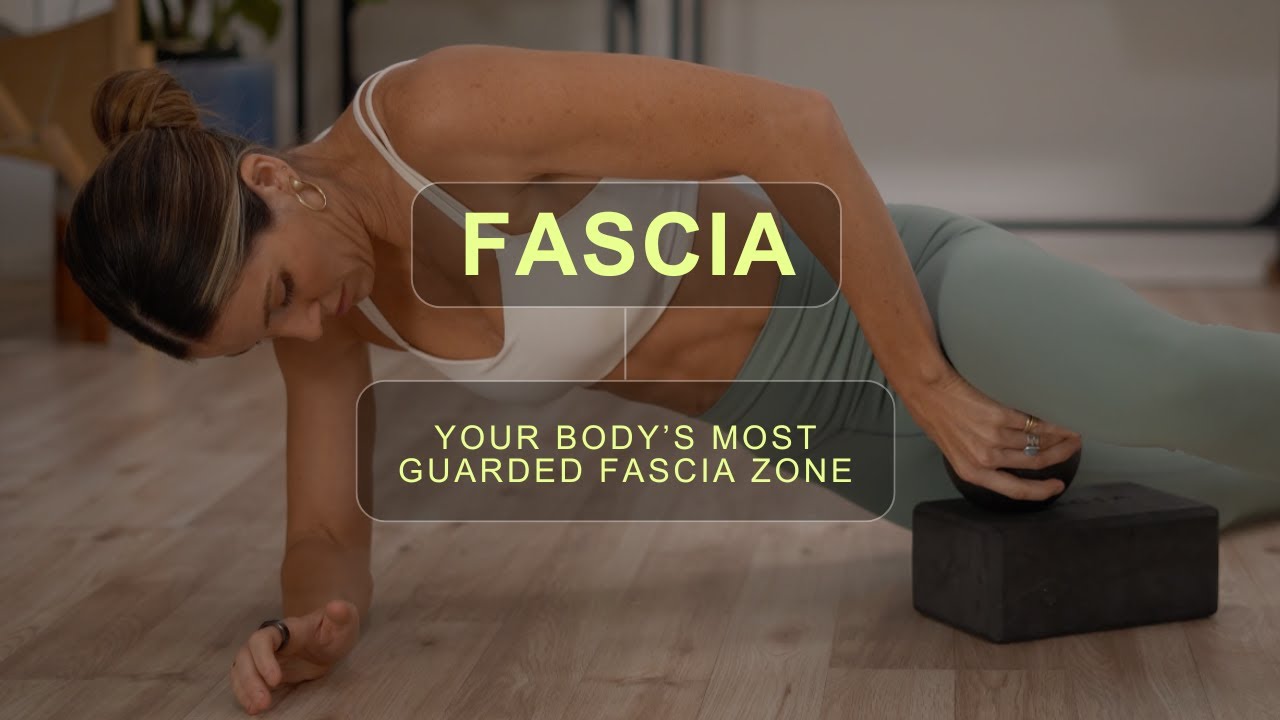
Practice at homeFollow guided Self-Bodywork with Katelyn or Marco, at your own pace.
Free for 4 weeks · Education, not medical advice
ASK FASCIASelf-Bodywork, taught by us
Tension is
your default mode.
Describe what you feel. Ask FASCIA shows you what may be going on through fascia, then gives you a practice to follow at home.
1 / 4 exchanges
FAsk Fascia
The neck is a crossroads—fascia from your shoulders, upper back, jaw, and even the front of your chest all converge there, so tension you notice in the neck often reflects a pattern that extends well beyond the local area.
Tennis ball to occipitals
Ask Fascia is education, not a medical diagnosis.
Help us shape what comes next.
Request a free 4-week trial of the Fascia app. Tell us what works and what doesn’t, and we’ll build it with you.
Thank you. Your request is in.
We review requests as spots open, and we’ll email you when access is ready. A request isn’t automatic approval.
Help us shape Fascia, 30 seconds